Transformations
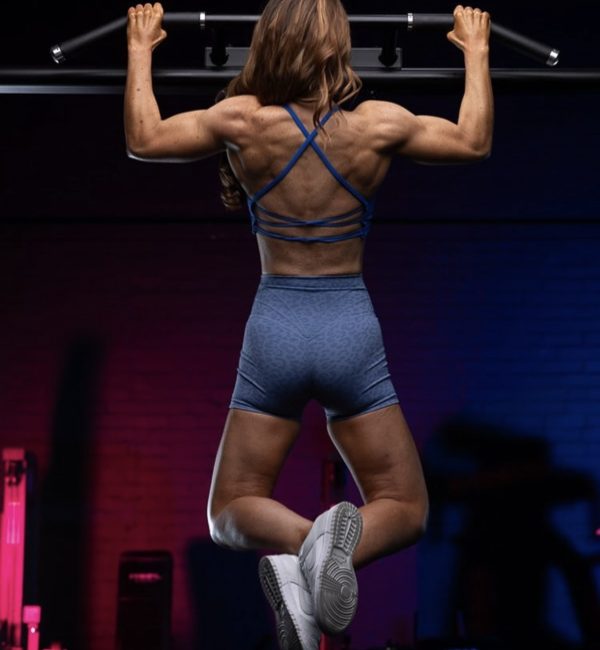

Sinead's Success Story
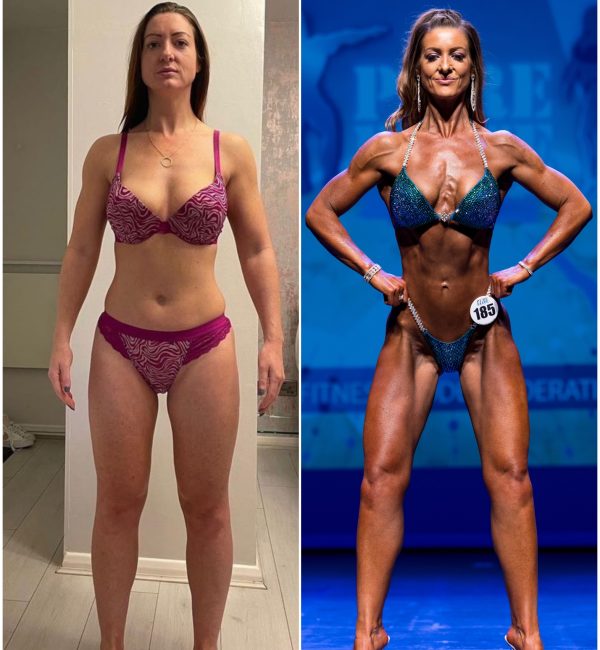
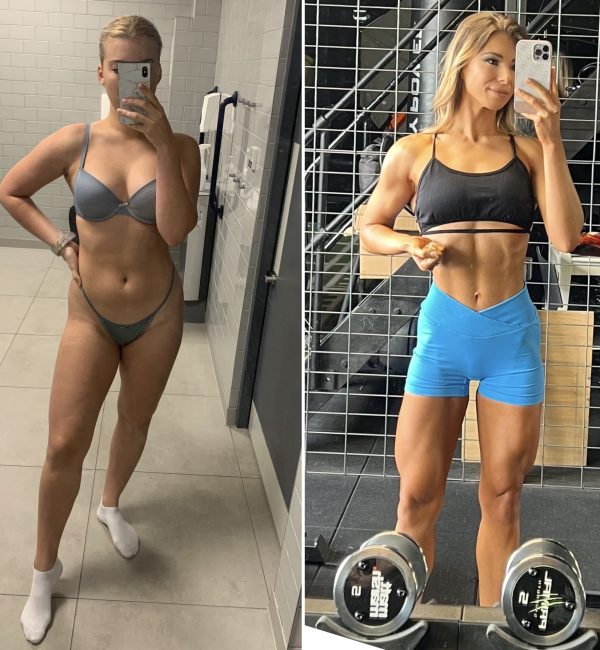
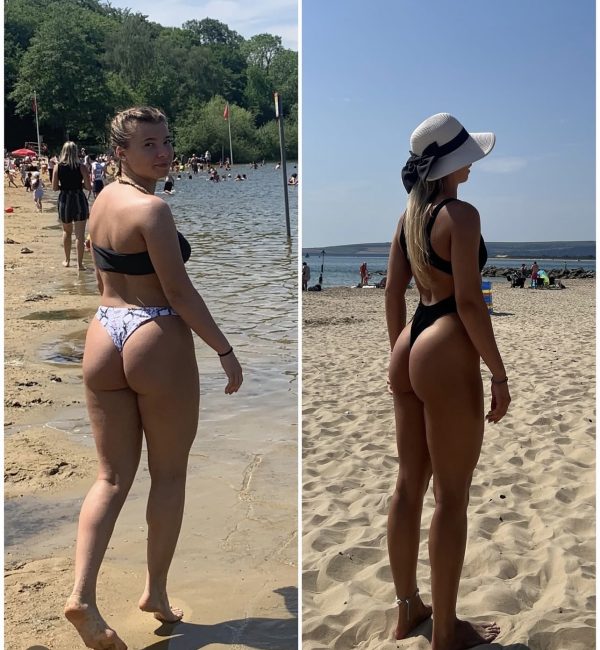
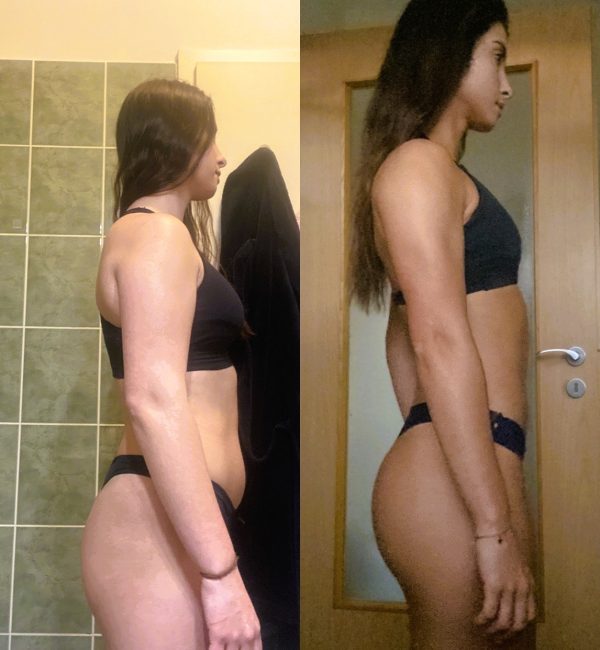
When I first started working with Ivett, I was getting ready for a photoshoot and I honestly didn’t think I could do it. I’d always struggled with my legs, especially because of genetics, and it was something that really knocked my confidence. But Ivett guided me through everything, and for the first time, I started to believe in myself.
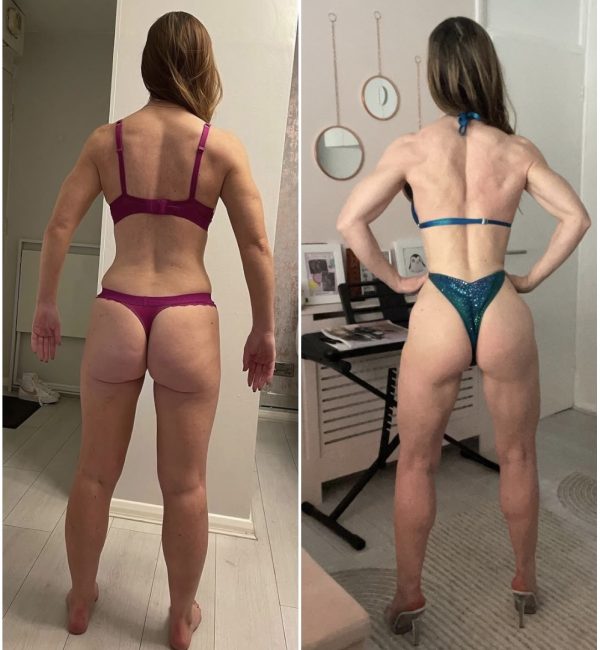
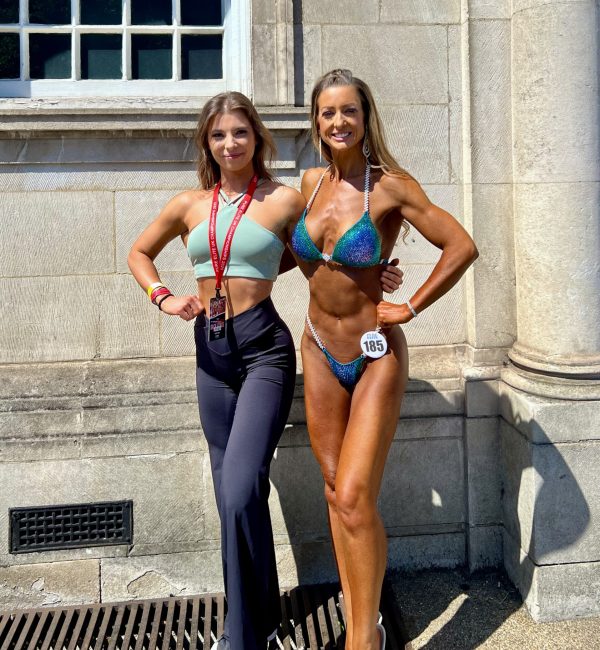
Later on, I decided to take it even further and compete for the very first time. I was terrified, but she helped me every step of the way. Sticking to a calorie deficit wasn’t easy, but I trusted the process and didn’t give up even when progress felt slow. The best part? My legs actually changed. They didn’t go back to how they were before, and I felt proud of what I’d achieved.
In total, I lost over 10 kg, and had an absolutely unforgettable day on stage. I competed in four categories and placed 1st twice, 2nd once, and 4th in another. It still feels surreal.
Ivett pushed me, believed in me, and gave me the confidence I never thought I’d have. I worked hard, stayed consistent, and I’m honestly so proud of myself. If you’re thinking about doing something similar, trust me, it’s worth it.
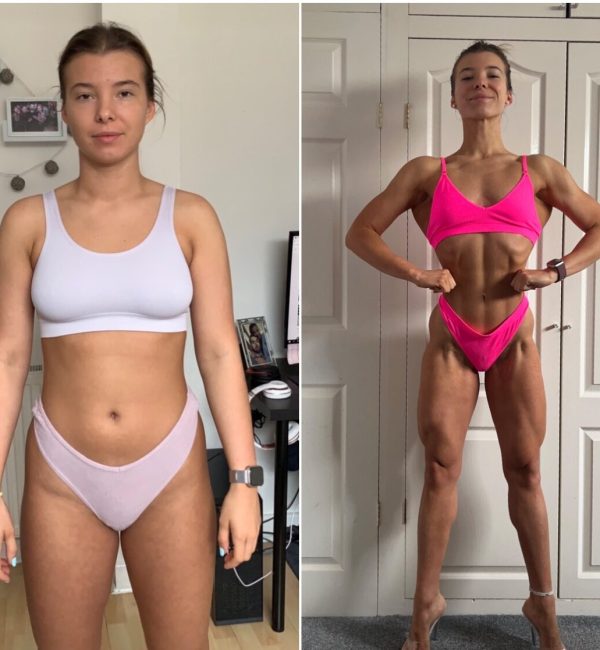
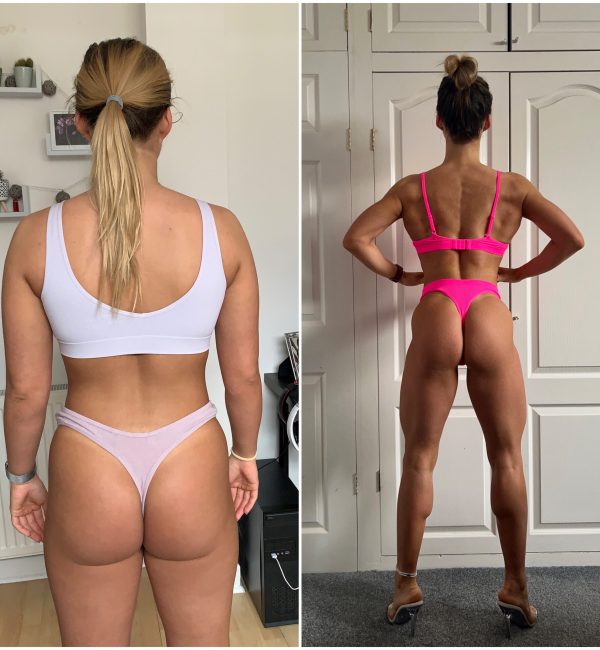
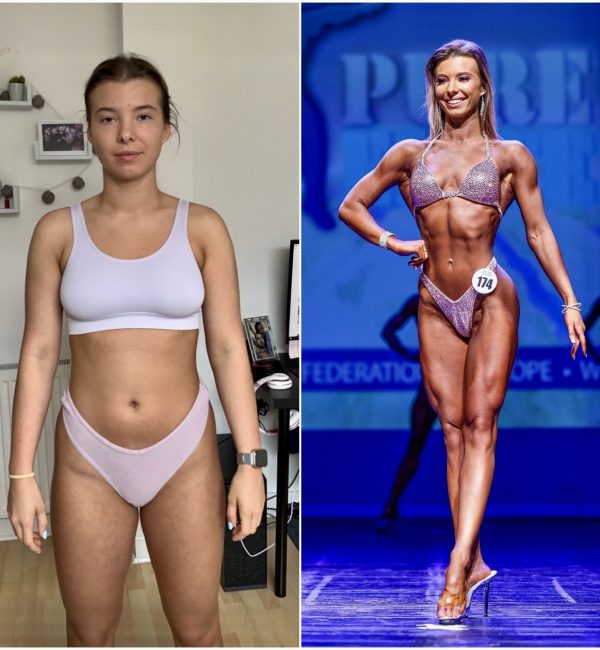
Own Transormation Stories
Over the years, I’ve been through several diets, always in search of a healthier, stronger, and more confident version of myself. I’ve done two photoshoots and even stepped on stage, where I proudly earned my PRO card.
But the journey wasn’t easy. In the beginning, I struggled to stay consistent with training and found it hard to maintain a calorie deficit. I experienced eating disorder and poor relationship with food, which made everything feel even more challenging.
Eventually, through experience and education including qualifying as a Level 4 Nutrition Coach, I found a way to nourish my body properly. I learned how to stay full, energised, and satisfied, even when eating in a deficit. I rebuilt my mindset, created structure, and found balance.
Now I use what I’ve learned to help others do the same, not just physically, but mentally too. True transformation goes beyond the mirror, and I’m here to guide others to a lifestyle that feels strong, sustainable, and empowering.
Vivien's Transformation
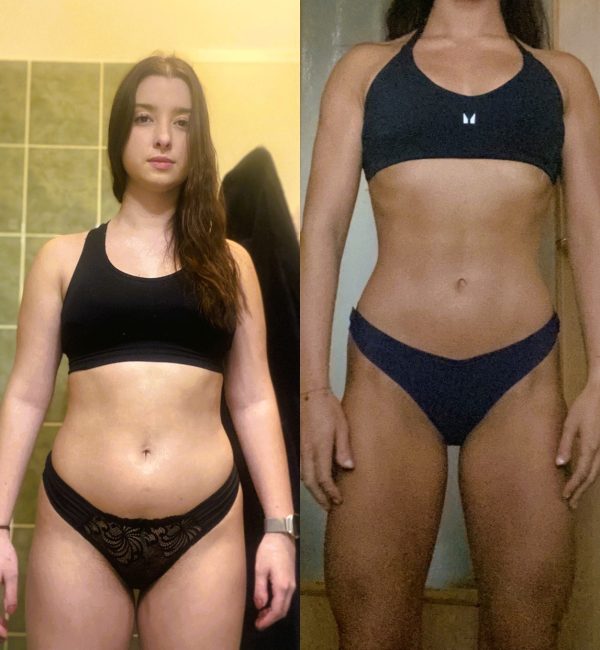
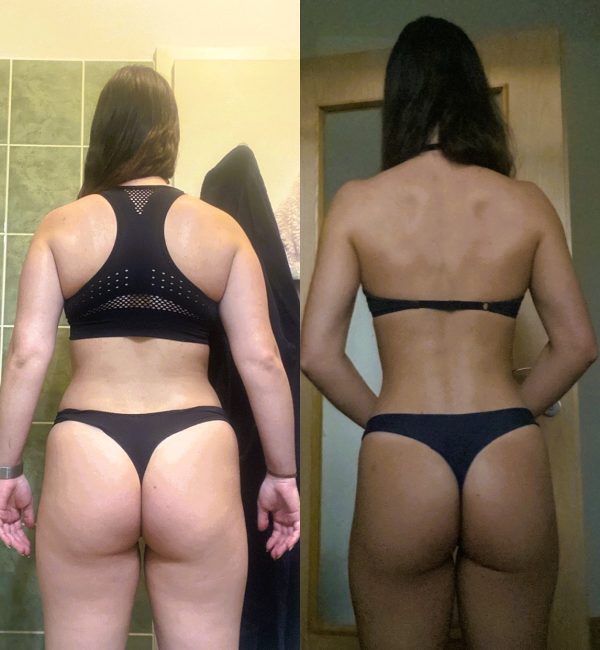
When I first started working with Ivett, I wasn’t happy eith how I looked and I didn’t exercise at all, not even at home. One day, I just decided that I wanted to change. I wanted to feel better, look better, and live a healthier life.
Ivett helped me get started with simple, nutritious meals, and I slowly began to follow a diet that actually made me feel good. Then I started doing some home workouts, just small steps at first. Eventually, I got the courage to go to the gym, and I actually fell in love with resistance training. It became something I genuinely enjoy.
I used to struggle with back pain too, but once I got stronger, that completely stopped. I’m still on my journey and working towards feeling and looking even better, but now I enjoy doing things that support my health. It’s become part of my lifestyle.
Check Your BMI & TDEE
START YOUR KNOWLEDGE HERE
BMI stands for Body Mass Index. It’s a simple tool used to estimate whether a person has a healthy body weight for their height. It’s commonly used by healthcare professionals as a general indicator of whether someone is underweight, a healthy weight, overweight, or obese.
However, BMI doesn’t measure body fat directly — it only uses your height and weight to give a number, so it doesn’t account for muscle mass, bone density, or fat distribution. For example, athletes may have a high BMI due to muscle, not fat.
BMI Categories (for adults):
- Underweight: less than 18.5
- Healthy weight: 18.5 – 24.9
- Overweight: 25 – 29.9
- Obese: 30 or more
TDEE (Total Daily Energy Expenditure) is the total number of calories your body burns each day. This includes:
Calories used for basic body functions (breathing, organs)
Calories burned through daily activities and exercise
Calories used to digest food
Knowing your TDEE helps you understand how many calories to eat to maintain, lose, or gain weight.
Activity Levels
Your calorie needs depend on how active you are:
Sedentary: Little or no exercise
Lightly Active: Light exercise 1-3 days/week
Moderately Active: Moderate exercise 3-5 days/week
Very Active: Hard exercise 6-7 days/week
Extra Active: Very hard exercise or physical job
The more active you are, the more calories you burn.
Calories are units of energy that come from the food and drinks you consume. Your body uses this energy to fuel everything you do—from basic functions like breathing and thinking, to moving and exercising.
-
Calories in food come from three main sources: carbohydrates, proteins, and fats.
-
When you eat more calories than your body needs, the extra energy is stored as fat.
-
When you eat fewer calories than you burn, your body uses stored fat for energy, helping you lose weight.
Understanding calories helps you make smart choices about what and how much to eat based on your goals, whether it’s losing fat, building muscle, or staying healthy.
BMI & TDEE Calculator
Kitchen Scale
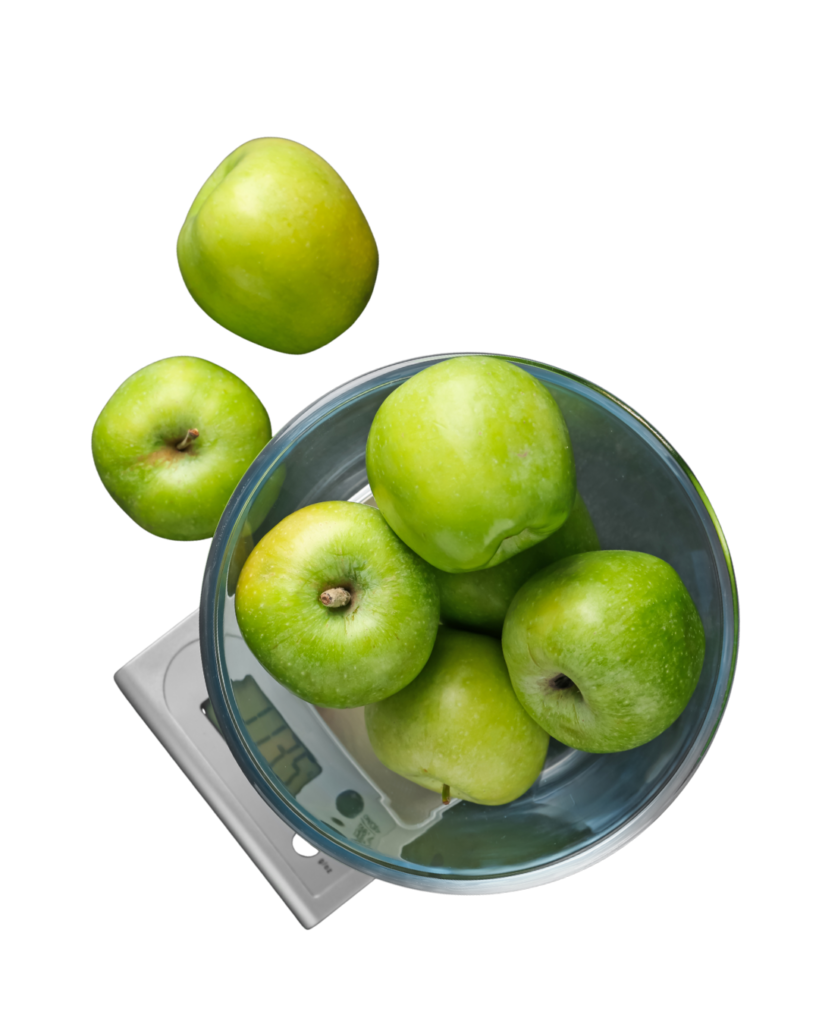
Using a kitchen scale is one of the best ways to track your food intake accurately. Here’s how to use it properly, especially when measuring raw vs. cooked foods:
- Measuring Raw Food:
Place your empty bowl or plate on the scale and press the “tare” or “zero” button to reset the weight to zero. Then add the raw food to the bowl and note the weight. This gives you an accurate measurement of the food before cooking. - Measuring Cooked Food:
Cooking changes food weight because of water loss or absorption. For example, rice or pasta gains weight as it cooks, while meat usually loses weight as moisture evaporates. Always measure cooked food separately if your recipe or tracking app requires cooked weights. - Why It Matters:
Tracking raw and cooked weights correctly helps you avoid mistakes in calorie and nutrient counting, ensuring your meal tracking stays accurate.
- Your Kickstart Checklist
- Learn what BMI is and how it's calculated
- Understand what TDEE is and how to use it
- Know how to measure food using a kitchen scale
- Get inspired by real transformations and success stories
- Book your personalized plan & coaching